
Alpacas belong to the camelid family, alongside llamas, guanacos, vicuñas, and camels. Originally domesticated over 6,000 years ago in the Andes of South America, alpacas were treasured by the Inca civilisation and their fibre was often referred to as the “fibre of the gods” due to the exceptional quality of their fine fleece. Alpacas are believed to have originated from the wild vicuña, prized for producing some of the finest natural fibre in the world.
In their natural habitat at the Altiplano, the foothills of the Andes with some extreme temperatures. Alpacas feed when food is plentiful in the summer and make the most of what it can find in the winter. Their thick fleece is the perfect protection for the dry and cold winters of this region. However, they adapt to other climates and here in France, with the temperate and Mediterranean climate, they may need a little help. They can handle cold conditions and are happy even in the snow. Their fleece is water-resistant, but they won't be happy in cold, wet weather and in very hot weather, they can become stressed.
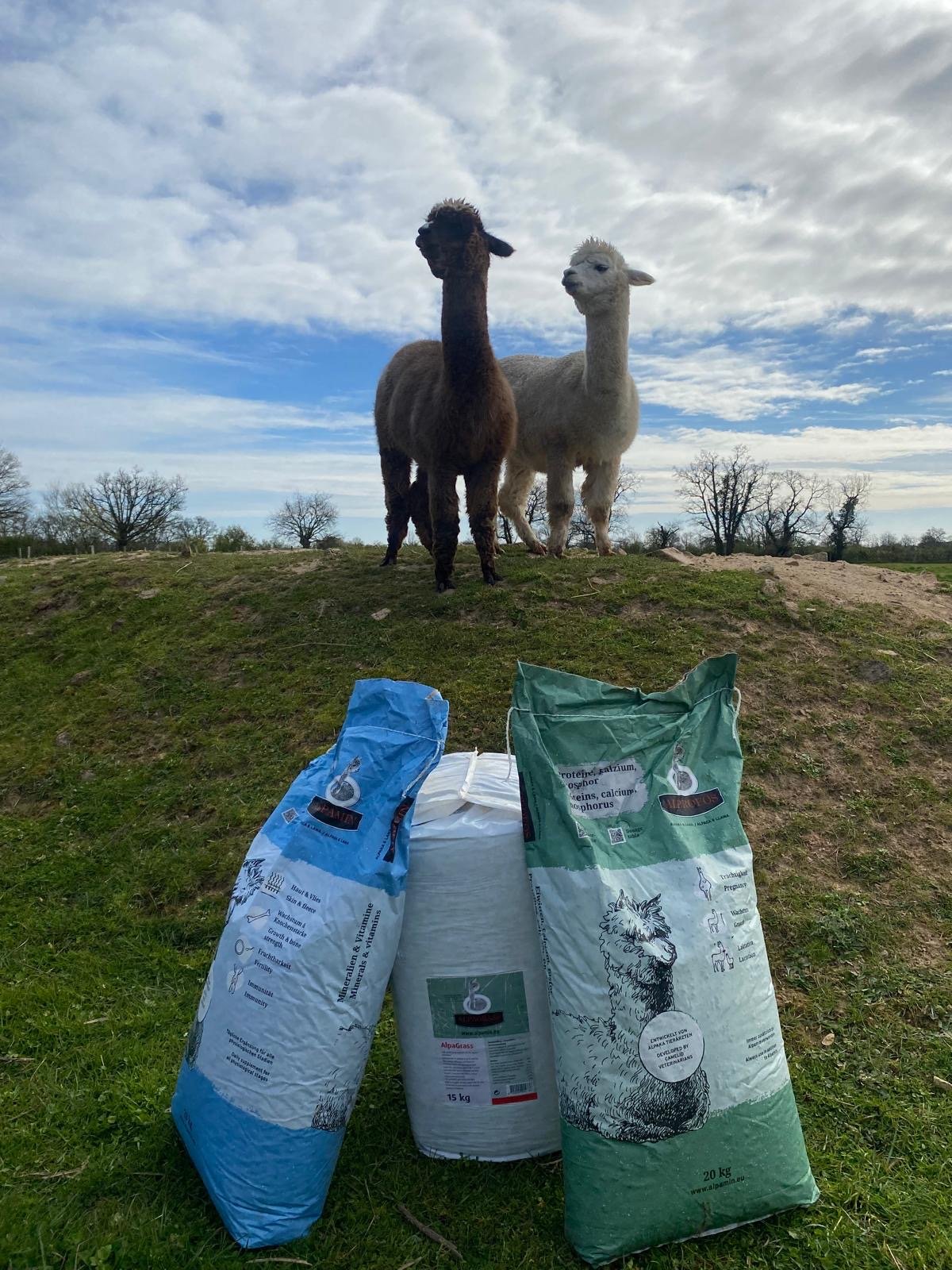

Alpacas are grazing animals and therefore walk while eating. They are ruminants and are therefore very efficient at recycling nutrients from their food. Alpacas can live up to 25 years!
Alpacas are gregarious animals and must live with other alpacas for their health and happiness an absolute minimum of 2 of the same sex, 3+ is better to create a herd. males and females should not share a field.
There are two types of alpaca: Huacaya and Suri. We are Huacaya breeders they are the most common and are known for their dense, crimpy fleece, while the rarer Suri alpaca produces long, silky fibre that hangs in distinctive locks.
Alpacas are also environmentally friendly animals. Their soft, padded feet are gentle on pasture, helping to prevent soil damage, and their efficient grazing habits allow them to thrive on relatively small areas of land. As a guide, alpacas are often stocked at around 4–6 animals per hectare, depending on pasture quality and management.
Alpacas are relatively low-maintenance, requiring minimal supplementary feed once a day and having a low environmental impact, making them an excellent choice for sustainable farming.
Alpacas are kept and bred around the world, valued for both their fibre and their temperament. Their fleece is soft, warm, and naturally hypoallergenic, making it a sought-after luxury material.
Beyond their practical benefits, alpacas bring a unique sense of enjoyment to everyday farm life. Whether you are looking to start your own herd, diversify your land, or simply spend time with these engaging animals, alpacas offer something truly special!